تاریخ انتشار: January 31, 2026
Helping people of Iran: An American moral imperative and precedence
By: Sahar
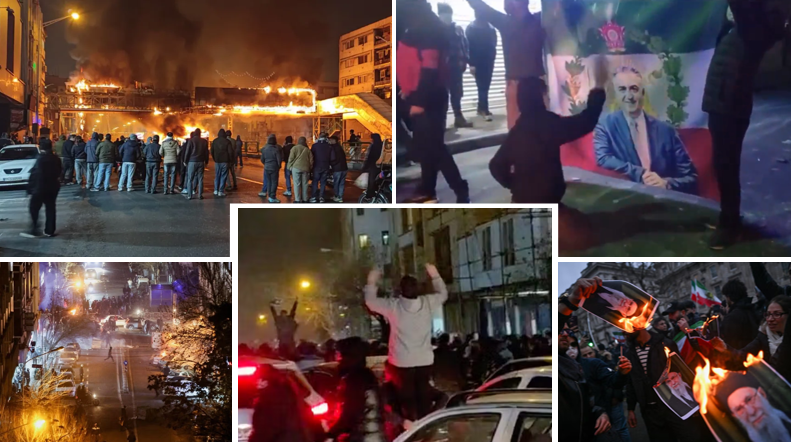
Over the last three weeks, thousands of Iranians have been killed on the streets, in their homes, and in hospitals while seeking treatment for injuries sustained during protests. Several news agencies report that nearly 40,000 people have been killed since the weekend of January 8th-9th. Furthermore, thousands more have been arrested and currently face the threat of execution.
This week, the European Union officially designated Iran’s Revolutionary Guards Corps (IRGC) as a terrorist organization. European Commission President Ursula von der Leyen noted that this action was “long overdue.” While countries such as France, Italy, and Spain initially resisted this decision, the recent reports and images from Iran serve as a stark reminder that the Iranian regime is an adversary to both its own people and the international community. The IRGC is not just a terrorist organization, it is a brutal instrument of a regime to bring oppression, torture and death to the people of Iran and expand terrorism across the world and they report directly to Ayatollah Khamenei, the “Head Terrorist” of the world.
EU foreign policy chief Kaja Kallas however was quick to note that “the region (the Middle East) does not need a new war” when asked about a potential US response to Iran. However, it is important to remind the European leadership of the Iranian regime’s extensive history of aggression. For the last 47 years, the regime has not only brutalized the Iranian people but has also funded and supported global terrorism, including within European cities and across the Middle East. By supporting organizations such as Hamas, Hezbollah, and the Houthis, and by providing critical aid to now deposed Assad regime in Syria, Iran has directly contributed to the deaths of thousands. Furthermore, the Iranian regime is actively supporting Russia’s illegal occupation of Ukraine in Europe. By supplying Shahed drones and helping establish drone factories within Russia, they have caused mass casualties and extended the duration of the conflict. This is clear evidence that the reach of this regime’s activities has directly threatened European security.
While the debate regarding American intervention in Iran continues, U.S. history over the last 80 years offers vital lessons. History demonstrates that humanitarian (and geopolitical factors) consistently provide compelling reasons for involvement. There are numerous examples of this. President Roosevelt was initially reluctant to join the European theater during World War II; however, Prime Minister Churchill eventually persuaded the President and the American public to engage in a conflict that ultimately saved the world from Nazi Germany. Although the attack on Pearl Harbor on December 7, 1941, was the official turning point for U.S. entry into the war, the United States had already begun providing significant military supplies and assistance to the British and other Allies as early as 1940. World War II resulted in the destruction of many European cities and the massacre of millions of Jewish people and defenders of democracy: armed forces of many countries around the world. These individuals including many Americans volunteered to join the war efforts and were willing to give their lives to ensure a future free from tyranny and fascism for the world.
There are other examples too. In 1994, over a period of approximately 100 days from April to July, the Rwandan Civil War escalated into a genocide that claimed the lives of many innocent people. This violence was carried out by Hutu militias against Tutsis, Twa, and moderate Hutus. While rooted in long-standing ethnic tensions, the scale of the massacre was catastrophic; reports indicate that over one million people were killed, with scholarly estimates suggesting between 500,000 and 662,000 Tutsi deaths. The period was marked by extreme violence perpetrated by neighbors against neighbors and widespread sexual violence, with an estimated 250,000 to 500,000 women raped.
Despite the scale of these atrocities, the international community failed to intervene. Although the United Nations Assistance Mission for Rwanda (UNAMIR) had been deployed since October 1993 to oversee the Arusha Accords, efforts to prevent the massacre were obstructed. UNAMIR Commander Roméo Dallaire had become aware of the Hutu Power movement and the secret weapons caches through an informant; however, his requests to raid these caches had been denied by the UN Department of Peacekeeping Operations (DPKO).
It is now understood that intelligence reports at the time indicated the U.S. had some level of information about the ongoing genocide. However, fear of repeating the events in Somalia heavily shaped U.S. policy; many commentators cite the aftermath of the Battle of Mogadishu as the primary reason for the failure to intervene in Rwanda.
A year later, the Clinton administration’s approach shifted significantly. Following the failure to stop the Rwandan genocide, a decisive turning point occurred in July 1995 when it was revealed that Serbs had massacred over 7,000 Muslim men and boys in Srebrenica. In response, President Clinton called for a NATO conference in London to establish a strategy to bring Milosevic (the Serb leader) to the negotiating table, ultimately committing 20,000 American troops to a 60,000-strong NATO force. The NATO air campaign also targeted Serbian government buildings and the country’s infrastructure in an effort to destabilize the Milosevic regime.
The Srebrenica massacre, combined with the need to restore U.S. credibility and pressure from advisors like Madeleine Albright, forced a shift from diplomacy to NATO airstrikes. Secretary Albright notably warned that the Bosnian conflict would define the administration’s foreign policy legacy, regardless of successes elsewhere. She argued that since American intervention was likely inevitable, the U.S. should lead the effort on its own terms and timetable to achieve a durable peace.
Today President Trump has examples before him to look at including Presidents Roosevelt and Clinton and Prime Minister Churchill (one of President Trump’s favorite historical leaders) who led the fight against the Nazi’s while many in the world were preaching appeasement. Today, the response to the Iranian Regime which will eventually destabilize the whole of Middle East if it is allowed to stay in power, requires a clear and moral response. The world requires strong leadership in response to this barbaric regime and the United States of America has one more time the opportunity to play a significant role as the leader of the world in creating a future that brings democracy to the world and the people of Iran.
As Madeleine Albright famously stated, “If we have to use force, it is because we are America. We are the indispensable nation. We stand tall. We see further into the future.” To this, I would add that as Americans we also stand up for democracy. A democratic Iran will lead a better future for the entire world. And there should be no doubt that a democratic Iran will soon emerge as a friend to the global community, the Middle East, Europe, and the United States of America.
Here are the references and historical sites we have used:
For more information about World War II and involvement of the U.S.
Lend-Lease and Military Aid to the Allies in the Early Years of World War II
For more information about Rwandan genocide you can visit the Wikipedia page.
For historical information about the war in Bosnia and Srebrenica massacre, checkout link 1 and link 2.
Madeleine Albright (1937–2022) was a Czech-born American diplomat who served as the first female U.S. Secretary of State during the Clinton administration. Born Marie Jana Korbelová in Prague, she and her family fled to London during World War II to escape Nazi persecution. In 1948, they immigrated to the United States as political refugees from Communism, eventually settling in Denver, Colorado.
کمک به مردم ایران: یک ضرورت و اولویت اخلاقی آمریکایی
در طول سه هفته گذشته، هزاران ایرانی در خیابانها، خانههایشان و بیمارستانها در حالی که به دنبال درمان جراحات ناشی از اعتراضات بودند، کشته شدهاند. چندین خبرگزاری گزارش میدهند که از آخر هفته ۸ و ۹ ژانویه، نزدیک به ۴۰ هزار نفر کشته شدهاند. علاوه بر این، هزاران نفر دیگر دستگیر شدهاند و در حال حاضر با تهدید اعدام روبرو هستند.
این هفته، اتحادیه اروپا رسماً سپاه پاسداران انقلاب اسلامی ایران را به عنوان یک سازمان تروریستی معرفی کرد. اورسولا فون در لاین، رئیس کمیسیون اروپا، خاطرنشان کرد که این اقدام “مدتها پیش باید انجام میشد”. در حالی که کشورهایی مانند فرانسه، ایتالیا و اسپانیا در ابتدا در برابر این تصمیم مقاومت کردند، گزارشها و تصاویر اخیر از ایران یادآوری آشکاری است که رژیم ایران دشمن مردم خود و جامعه بینالمللی است. سپاه پاسداران انقلاب اسلامی فقط یک سازمان تروریستی نیست، بلکه ابزار وحشیانه یک رژیم برای ایجاد ظلم، شکنجه و مرگ برای مردم ایران و گسترش تروریسم در سراسر جهان است و آنها مستقیماً به آیتالله خامنهای، “سرکرده تروریستها”ی جهان، گزارش میدهند.
با این حال، کاجا کالاس، مسئول سیاست خارجی اتحادیه اروپا، در پاسخ به سوالی در مورد واکنش احتمالی ایالات متحده به ایران، به سرعت خاطرنشان کرد که «منطقه (خاورمیانه) به جنگ جدیدی نیاز ندارد». با این حال، یادآوری سابقه طولانی تجاوزگری رژیم ایران به رهبری اروپا مهم است. در ۴۷ سال گذشته، این رژیم نه تنها مردم ایران را وحشیانه مورد آزار و اذیت قرار داده، بلکه تروریسم جهانی را نیز، از جمله در شهرهای اروپایی و در سراسر خاورمیانه، تأمین مالی و حمایت کرده است. ایران با حمایت از سازمانهایی مانند حماس، حزبالله و حوثیها و با ارائه کمکهای حیاتی به رژیم اسد که اکنون سرنگون شده است، مستقیماً در مرگ هزاران نفر نقش داشته است. علاوه بر این، رژیم ایران به طور فعال از اشغال غیرقانونی اوکراین توسط روسیه در اروپا حمایت میکند. آنها با تأمین پهپادهای شاهد و کمک به تأسیس کارخانههای پهپاد در داخل روسیه، تلفات گستردهای ایجاد کرده و مدت زمان درگیری را طولانیتر کردهاند. این شواهد روشنی است که دامنه فعالیتهای این رژیم مستقیماً امنیت اروپا را تهدید کرده است.
در حالی که بحث در مورد مداخله آمریکا در ایران ادامه دارد، تاریخ ایالات متحده در ۸۰ سال گذشته درسهای حیاتی ارائه میدهد. تاریخ نشان میدهد که عوامل بشردوستانه (و ژئوپلیتیکی) همواره دلایل قانعکنندهای برای مشارکت ارائه میدهند. نمونههای بیشماری از این وجود دارد. رئیس جمهور روزولت در ابتدا تمایلی به پیوستن به جبهه اروپا در طول جنگ جهانی دوم نداشت؛ با این حال، نخست وزیر چرچیل در نهایت رئیس جمهور و مردم آمریکا را متقاعد کرد که در جنگی شرکت کنند که در نهایت جهان را از آلمان نازی نجات داد. اگرچه حمله به پرل هاربر در 7 دسامبر 1941، نقطه عطف رسمی ورود ایالات متحده به جنگ بود، اما ایالات متحده از اوایل سال 1940 شروع به ارائه تدارکات و کمکهای نظامی قابل توجه به بریتانیا و سایر متفقین کرده بود. جنگ جهانی دوم منجر به تخریب بسیاری از شهرهای اروپایی و قتل عام میلیونها یهودی و مدافعان دموکراسی شد: نیروهای مسلح بسیاری از کشورهای جهان. این افراد، از جمله بسیاری از آمریکاییها، داوطلبانه به تلاشهای جنگی پیوستند و حاضر بودند جان خود را برای تضمین آیندهای عاری از استبداد و فاشیسم برای جهان فدا کنند.
نمونههای دیگری نیز وجود دارد. در سال ۱۹۹۴، طی یک دوره تقریباً ۱۰۰ روزه از آوریل تا ژوئیه، جنگ داخلی رواندا به نسلکشیای تبدیل شد که جان بسیاری از مردم بیگناه را گرفت. این خشونت توسط شبهنظامیان هوتو علیه توتسیها، تواها و هوتوهای میانهرو انجام شد. اگرچه ریشه در تنشهای قومی دیرینه داشت، اما مقیاس این قتل عام فاجعهبار بود. گزارشها نشان میدهد که بیش از یک میلیون نفر کشته شدند و برآوردهای علمی حاکی از مرگ بین ۵۰۰۰۰۰ تا ۶۶۲۰۰۰ توتسی است. این دوره با خشونت شدید همسایگان علیه همسایگان و خشونت جنسی گسترده، با تخمین تجاوز به ۲۵۰۰۰۰ تا ۵۰۰۰۰۰ زن، مشخص شد.
با وجود وسعت این جنایات، جامعه بینالمللی از مداخله خودداری کرد. اگرچه هیئت کمکرسانی سازمان ملل متحد برای رواندا (UNAMIR) از اکتبر ۱۹۹۳ برای نظارت بر توافقنامههای آروشا مستقر شده بود، اما تلاشها برای جلوگیری از این قتل عام با مانع مواجه شد. رومئو دالر، فرمانده UNAMIR، از طریق یک خبرچین از جنبش قدرت هوتو و انبارهای مخفی سلاح مطلع شده بود؛ با این حال، درخواستهای او برای حمله به این انبارها توسط اداره عملیات حفظ صلح سازمان ملل متحد (DPKO) رد شده بود.
اکنون مشخص شده است که گزارشهای اطلاعاتی در آن زمان نشان میداد که ایالات متحده تا حدودی از نسلکشی جاری مطلع بوده است. با این حال، ترس از تکرار وقایع در سومالی به شدت سیاست ایالات متحده را شکل داده بود. بسیاری از مفسران، پیامدهای نبرد موگادیشو را دلیل اصلی عدم مداخله در رواندا میدانند.
یک سال بعد، رویکرد دولت کلینتون به طور قابل توجهی تغییر کرد. پس از عدم موفقیت در متوقف کردن نسلکشی رواندا، نقطه عطف تعیینکنندهای در ژوئیه ۱۹۹۵ رخ داد، زمانی که فاش شد صربها بیش از ۷۰۰۰ مرد و پسر مسلمان را در سربرنیتسا قتل عام کردهاند. در پاسخ، رئیس جمهور کلینتون خواستار برگزاری کنفرانس ناتو در لندن برای ایجاد استراتژی برای کشاندن میلوسویچ (رهبر صربها) به میز مذاکره شد و در نهایت ۲۰۰۰۰ سرباز آمریکایی را به نیروی ۶۰۰۰۰ نفری ناتو متعهد کرد. کمپین هوایی ناتو همچنین ساختمانهای دولتی صربستان و زیرساختهای این کشور را در تلاش برای بیثبات کردن رژیم میلوسویچ هدف قرار داد. قتل عام سربرنیتسا، همراه با نیاز به بازگرداندن اعتبار ایالات متحده و فشار مشاورانی مانند مادلین آلبرایت، باعث تغییر رویکرد از دیپلماسی به حملات هوایی ناتو شد. وزیر امور خارجه آلبرایت به طور قابل توجهی هشدار داد که درگیری بوسنی، صرف نظر از موفقیتها در جاهای دیگر، میراث سیاست خارجی دولت را تعریف خواهد کرد. او استدلال کرد که از آنجایی که مداخله آمریکا احتمالاً اجتنابناپذیر است، ایالات متحده باید تلاشها را با شرایط و جدول زمانی خود برای دستیابی به صلح پایدار رهبری کند.
امروزه رئیس جمهور ترامپ نمونههایی را پیش روی خود دارد که از جمله آنها میتوان به روسای جمهور روزولت و کلینتون و نخست وزیر چرچیل (یکی از رهبران تاریخی مورد علاقه رئیس جمهور ترامپ) اشاره کرد که در حالی که بسیاری در جهان از مماشات سخن میگفتند، رهبری مبارزه علیه نازیها را بر عهده داشتند. امروز، پاسخ به رژیم ایران که در صورت اجازه ماندن در قدرت، در نهایت کل خاورمیانه را بیثبات خواهد کرد، نیازمند یک پاسخ روشن و اخلاقی است. جهان در پاسخ به این رژیم وحشی به رهبری قوی نیاز دارد و ایالات متحده آمریکا یک بار دیگر این فرصت را دارد که به عنوان رهبر جهان، نقشی مهم در ایجاد آیندهای که دموکراسی را برای جهان و مردم ایران به ارمغان میآورد، ایفا کند.
همانطور که مادلین آلبرایت به طور مشهوری اظهار داشت: “اگر مجبور به استفاده از زور شویم، به این دلیل است که ما آمریکایی هستیم. ما ملتی ضروری هستیم. ما محکم ایستادهایم. ما به آینده نگاه میکنیم.” به این، من اضافه میکنم که ما به عنوان آمریکایی نیز از دموکراسی حمایت میکنیم. یک ایران دموکراتیک، آیندهای بهتر را برای کل جهان رقم خواهد زد. و شکی نیست که یک ایران دموکراتیک به زودی به عنوان دوست جامعه جهانی، خاورمیانه، اروپا و ایالات متحده آمریکا ظهور خواهد کرد.
بنیاد میراث پاسارگاد