تاریخ انتشار: November 15, 2025
در کودکی همیشه میگفتم ایرانیام؛ فقط چون این را به من آموخته بودند و شاید هم چون نمیخواستم مدام با پرسش دربابِ هویت روبهرو شوم. تردیدهایم از سالهای نوجوانی آغاز شد. در دیدارهایی که با خانواده به ایران میرفتیم، مرا «آلمانیه!» صدا میزدند. سخنی که هرچند بیغرض گفته میشد اما در خود انکار ناگفتهٔ ایرانیبودن مرا داشت.
شاید بارها این سخن را شنیده باشید، که زیستن در دیاسپورا یعنی هیچگاه به هیچجا تماماً تعلق نداشتن. ایرانی بودن در آلمان سالهاست ـــو پس از بیستوهشت سال هنوز هم چنین استـــ یعنی دیده نشدن بهعنوان یکی از آنان، یعنی هرگز کافینبودن، یعنی هر روز تجربهی طرد شدن.
از همین رو، برایم بدیهی بود که آلمانی نیستم. اما در برههای از زندگی از خود پرسیدم، آیا این انزوا دربارهی سوی ایرانیام نیز صادق است؟
میان دو «من» گرفتار بودم: یکی منِِ فرهنگی، که در خانه و از راه آموزش پدر و مادرم شکل گرفته بود، و دیگری منِ سیاسی، که جهان بیرون آن را بر من تحمیل میکرد. از یکسو میخواستم نشان دهم ایران چیزی نیست که رسانهها با تصویرهای تیره و یکجانبه از آن میسازند، و از سوی دیگر نمیخواستم مدافع یا توجیهگر رژیم اسلامی باشم. همین کشاکش، خود گواهی است بر دشواریِ زیستن با هویت دوپارهٔ فرزند مهاجران.
در کودکی آرزو داشتم کاش پدر و مادرم از کشوری دیگر آمده بودند؛ کشوری که در آن بتوان تابستانی بیدغدغه گذراند، بیآنکه پای سیاست به میان آید. در مدرسه ناخواسته به سخنگوی یک ملّت بدل میشدم، ولی آرزوی من این بود که ایکاش از من دربارهٔ خوراکهای خوشطعم، معماری چشمنواز یا تاریخ باشکوهمان میپرسیدند.
در دوران رشد، ما فرزندان مهاجران معمولاً با هم بودیم، شاید چون همگی طعم طردشدگی را چشیده بودیم. اما ایرانی بودن ویژگیهای خاص خود را داشت. دوستانی از ترکیه و جهان عرب پیدا کردم که احساسات و دغدغههایم را میفهمیدند و مرا در حلقهی خود پذیرفتند، بااینحال تفاوتهایی میانمان بود: آداب دینی و رسوم فرهنگی یکسانی نداشتیم. آنان هرگز مرا بیگانه نمیدانستند، اما من همان حس بیگانگی را که در میان آلمانیها داشتم، در خود حفظ میکردم.
در میان بیگانگان نیز، من هنوز بیگانه بودم.
شاید همین بود که گاه آرزو میکردم ایکاش ایرانی نبودم، فقط برای آنکه پذیرفته شوم. میخواستم دیگران هویت مرا تعریف کنند. اما چنین اندیشهای برایم بهمنزلهٔ خیانت به خود و ریشههایم بود.
از پدر و مادرم داستانهای بسیاری دربارهٔ کودکیشان شنیده بودم، از روزگاری که زندگی در ایران بهتر بود، و از زنانی که آزادتر از زنان غربی بودند. اما این یادآوریِ مداومِ گذشته برای من رنگ خیال داشت، چون درست در تضاد با آن چیزی بود که جامعه و جهان بیرون دربارهٔ ایران میگفتند. گمان میکردم والدینم در گذشته ماندهاند، در سوگ کشوری که دیگر وجود ندارد، مانند عاشقی که نمیتواند از عشق ازدسترفتهاش دل بکند.
تفاوت من و آنان در این است که آنها در آن سرزمین زیستهاند و پیوندهای عاطفی و خاطراتی ژرف دارند که من از آنها بیبهرهام. و از همه مهمتر: آنان ناچار به ترک وطن شدند. اما برای کسی که در دیاری بیگانه زاده شده، انتظار از جامعهٔ پیرامونش چیز دیگریست. دشوار است که برچسب «بیگانه» بخوری، در حالی که جایی جز همین سرزمین را خانهی خود نمیدانی.
سرانجام آن آگاهیِ دردناک را به نیرویی سازنده بدل کردم؛ زمانی که با خویشتن درونیام روبهرو شدم ـــ با آن «من» که پیش از یادگیریِ سازوکار جامعهٔ آلمانی در من زیسته بود. شناخت فرهنگ ایرانی را آغاز کردم، نه از سر وظیفه در برابر پدر و مادرم، بلکه از سر شوقِ کشفِ خود. از آئین مزدیسنا خواندم، خوراکهای ایرانی پختم، و دلدادهٔ زیبایی شاعرانهی زبانمان شدم.
وقتی کسی از خانواده به سفر میرفت دیگر از سر عادت آب پشت سرش نمیریختم، حس میکردم به سنتی معنوی و زنجیرهای از نیاکانم پیوستهام که قرنها چنین کردهاند. از درک ترانههای هایده احساس افتخار میکردم، و از خواندن اشعار مولانا، نه در ترجمه، که در زبان اصیلشان. در هر موزهای ـــچه لوور، چه بریتیش میوزیومـــ با دیدن آثار نیاکان احساس سپاس و فرخندگی در دلم زنده میشد؛ شادمان از اینکه میراث آنان هنوز گرامی داشته میشود.
آنچه در فرهنگمان دوست دارم، ارزشهاییست که با همهشان همدلام: رواداریای که کوروش بزرگ بدان فرامیخواند، پیوند ژرف ما با طبیعت، و جایگاه زنان بهعنوان قهرمانان شاهنامه. اینها ارزشهاییاند که به آنها باور دارم و حتی آنگاه که با ذهنی پرسشگر و رویکردی انتقادی ژرفای تاریخ و معنای فرهنگ خود را میکاویدم انگار نیازمند دلیلی بودم تا با آن احساس یگانگی نکنم.
این گنج پنهان ما است ــــ بخشی از فرهنگمان که جهان یا نمیبیند، یا نمیخواهد ببیند.
با گذر زمان دریافتم که برای ایرانیبودن نیازی نیست به گروهی فرهنگی تعلق داشته باشم. حتی در میان ایرانیان نیز گاه پیوندی واقعی احساس نمیکردم، این خودِ فرهنگ ایرانی بود که به سویم آمد و آنچه را سالها در جستوجویش بودم، به من بخشید. اینچنین آنچه روزی مایهٔ سردرگمی و رنج بود، امروز مرا سرشار از قدردانی میکند.
خوشحالم که در محیطی رشد کردم که هرگز نمیگذارد فراموش کنم از کجا آمدهام، بیاعتنا به اینکه کجا هستم.
خوشحالم که میتوانم نوروز را حتی زیر باران سرد جشن بگیرم، زیرا عشقم به فرهنگ ایرانی چنان ژرف است که همواره قلبم را گرم میکند.
آموزگارانم همیشه در تلفظ نامم مشکل داشتند، و صادقانه بگویم، زمانی از این موضوع دلگیر و از پدر و مادرم رنجیده بودم که چرا نامی چنین دشوار برای آلمانیها برگزیدهاند.
اما امروز بیش از هر زمان دیگری به داشتن نام کمند افتخار میکنم.
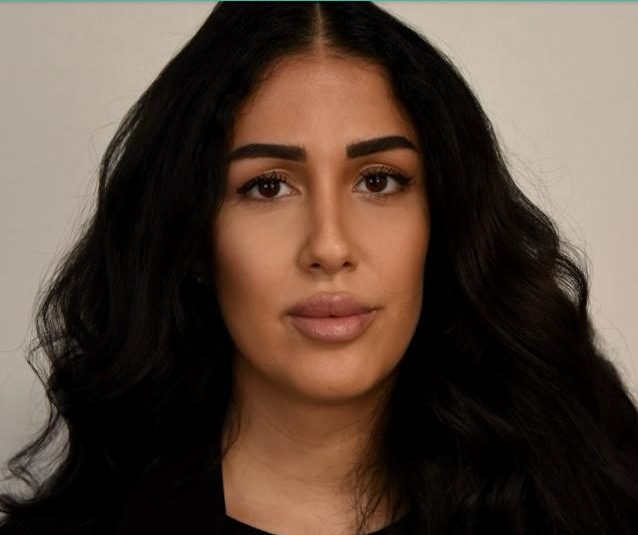
هرجا که باشم، گیسوان بلند و سیاه من ـــآنگونه که در شعرهای کهن پارسی ستوده شدهاندـــ مرا چون کمندی به سوی ریشههایم میکشند، حتی اگر هزاران فرسنگ از آنها دور باشم.
هویت ایرانیام هرگز گم نشد، بلکه تنها در ژرفنای وجودم نهفته بود، خاموش و شکیبا در انتظار آنکه روزی کشف شود.
دیر یا زود، هر یک از ما در سرزمین بیگانه در خود نیرویی مییابیم تا آن بخشِ نهفته را از خاک فراموشی بیرون کشیم و بدانیم که بهراستی که هستیم.
Growing up in the diaspora
Cammand Banaie
When I was younger, I would always say I was Iranian, simply because that’s what I had been taught, and perhaps because I didn’t want to constantly be reminded of this question of identity.
My doubts began in my teenage years. During our family visits in Iran, I was often referred to as “the German one”. Although it was never said with bad intentions, it still carried a quiet denial of my Iranian-ness.
You’ve probably heard it before: living in the diaspora means never quite belonging to either side. Being Iranian in Germany has long meant (and even after 28 years still means) not being seen as one of them, never being enough to achieve a true sense of belonging and feeling that exclusion every single day. Therefore, it was unquestionable to me that I was not German. But at some point, I began to ask myself: could the same be true for my Iranian side as well?
It was a constant conflict between my cultural Persian identity that was shaped at home through my parents’ education and the political Persian identity that the outside world tried to impose on me. I found myself caught somewhere in between.
On the one hand, I felt the urge to show the world that Iran is not what is portrayed in the media in a mostly negative way. On the other, I didn’t want to justify or defend the Islamic regime. This alone shows how conflicted and complex it can be for a child of immigrants to find balance between these identities and to communicate that balance to the outside world.
When I was younger, I used to wish my parents came from a different country. One where I could spend carefree summers without being drawn into political debates. In school, I was forced to take on the role of representing an entire nation. Instead, I wished people would ask me about our delicious food, our architecture, or our magnificent history.
When I was growing up, the kids with immigrant backgrounds tended to stick together, probably because we all shared the same feeling of exclusion. But being Iranian came with its own particularities. I found friends from Turkey and the Arab world who shared my thoughts and feelings and gave me a sense of belonging. Yet what set me apart was that I didn’t share all the same religious practices or cultural customs as they did. And even though they never made me feel different, I still carried within me a similar sense of otherness I felt around Germans.
Even among strangers, I was still a stranger.
Maybe that explains why, for a time, I wished I weren’t Iranian at all because I just wanted to be accepted نوشتهٔ the outside world. I wanted others to define my identity for me. But this thought felt like betraying myself and my roots.
I always heard stories from my parents about their childhood, how everyone used to live a better life back then and especially how Iranian women even had more freedom than Western women at that time.
As this constant dwelling on the past felt almost imaginary to me, because it was the complete opposite of what society and the outside world told me, I somehow thought my parents were exaggerating or living in the past. Mourning a country that no longer existed, almost like someone unable to move on from a past love they can’t quite let go of.
The difference between me and them lies in the simple fact that they grew up in that country. They have deeply rooted emotional connections and memories that I lack. And most importantly: circumstances forced them to leave. But when you’re born in a foreign land, your expectations of the society around you are different. It confuses you to be labeled an outsider, because there is no other place for you to refer to.
I eventually transformed that painful realization into something positive when I began to confront my inner self, the version of me that existed before I learned to navigate German society. I started engaging with Persian culture on my own terms, not because it was expected from my parents, but because I genuinely wanted to know who I was, and why I felt so different from everyone else.
I read about Zoroastrianism. I began cooking Persian dishes. I fell in love with the poetic beauty of our language. When someone in the family travelled, I no longer poured water behind them merely out of habit; I felt a spiritual connection to my ancestors, knowing that generations before me had done the same.
I felt honored to understand Hayedeh’s songs; to read Rumi’s words not in translation like thousands of others, but in their pure, original form. In every museum I visited, whether at the Louvre or the British Museum, I would look around and feel a quiet spiritual sense of gratitude and blessing for being Iranian, for witnessing what our ancestors achieved so many years ago and for seeing that our legacy is still being honored today.
What I love about our culture is that I can identify with all its values. Whether it’s the tolerance that King Cyrus advocated for, the deep connection to nature and the way we honor and respect it, or the way women are portrayed as heroines in the Shahnameh. These are all values I stand for. And even when I began to explore our culture with a questioning critical mind, diving deeper into its history and meaning, I almost had to look for reasons not to identify with it.
This is our hidden treasure; the part of our culture the world overlooks, or perhaps chooses not to see.
Over time, I understood that I didn’t need to belong to a specific cultural group to feel Iranian. Even among other Iranians, I often felt no true sense of connection. It was the Persian culture itself that reached out to me and gave me everything I had been missing all those years.
What once confused and frustrated me now fills me with gratitude. I’m glad I grew up in an environment that never lets me forget where I come from, no matter where I am. I’m grateful that I can celebrate Nowruz even in cold, rainy weather, because my love for Persian culture runs so deep that it warms my heart every year.
My teachers used to struggle pronouncing my name, and I’ll be honest: at some point in my life, it made me angry that my parents had chosen such a rare and difficult name for Germans to pronounce. But today, I am more than proud to carry the name Kamand. No matter where I am, my long black hair, as described in centuries-old Persian poetry, will always pull me back toward my roots, like a lasso, even when I’m thousands of kilometers away.
My Iranian identity was never lost; it feels like something buried deep within me, quiet and patiently waiting to be discovered. At some point, every one of us abroad will feel the urge to unearth that part of ourselves, to truly understand who we are.
بنیاد میراث پاسارگاد